


Why Employee Well-Being Extends Beyond Traditional EAP Support
By Amor Wellness Group

If your organization offers an Employee Assistance Program, you’ve already done something meaningful. EAPs exist because leadership recognized that employees are whole people, not just job titles, and that whole people sometimes need support beyond what a performance review or an HR policy can provide.
That recognition matters, and it’s worth acknowledging clearly: EAPs provide real, valuable support. The question this post explores isn’t whether EAPs are worthwhile. It’s whether a single program, however well-designed, can meet the full range of needs employees bring to work every day.
Same Job. Same Support. Different Reality.
Well-being doesn’t show up the same way for everyone, even among employees with the same role, the same team, and access to the exact same resources. That’s because the areas of life that shape well-being, physical health, relationships, financial circumstances, emotional balance, personal growth, are deeply interconnected, and every employee is navigating them differently.
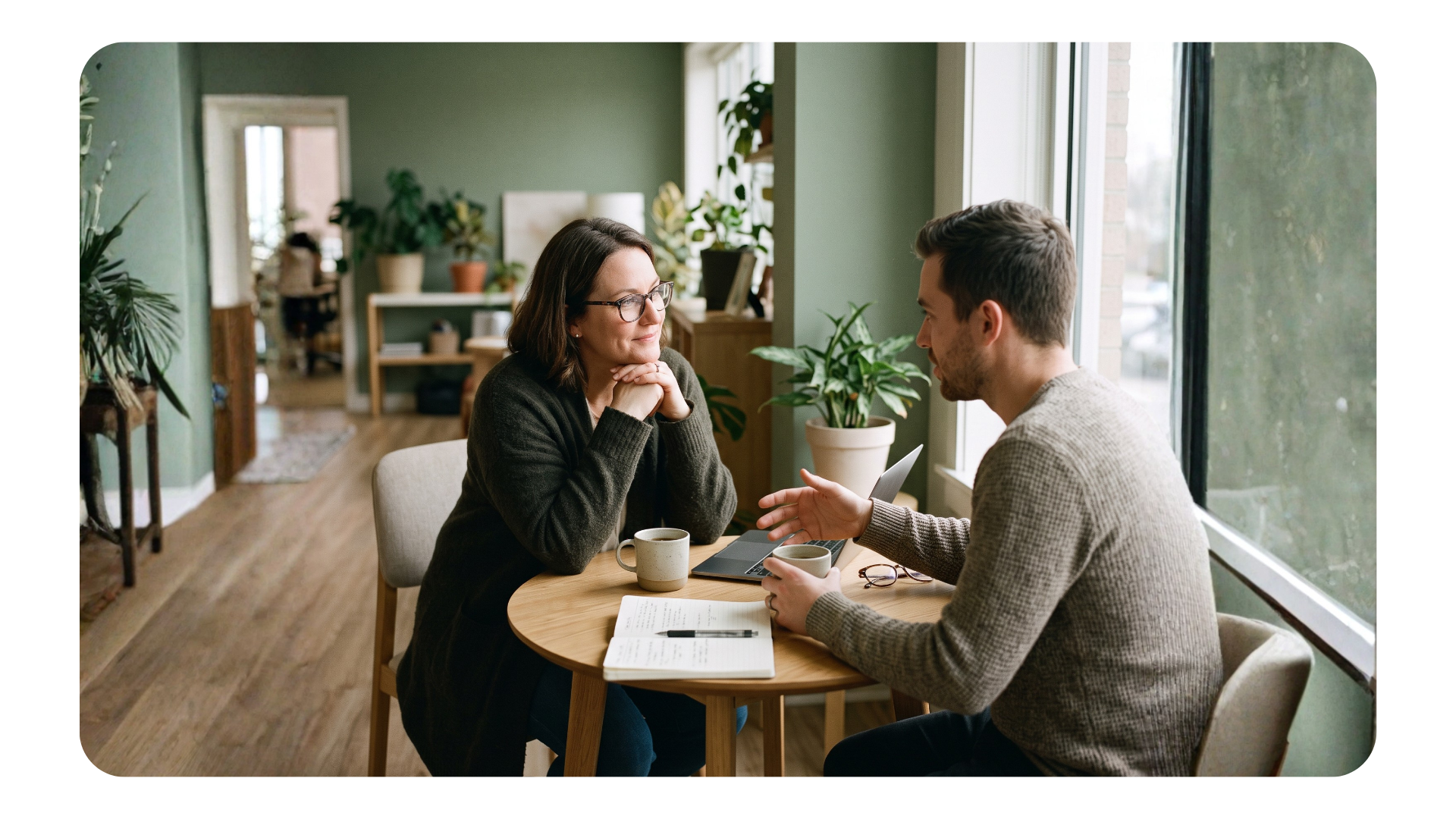
Consider two employees working in the same department, performing similar responsibilities, and receiving the same organizational support. One is working to improve their physical health, manage everyday stress, and create greater balance between personal and professional responsibilities. The other is caring for an aging parent, navigating a strained relationship, and has reached the limit of their available EAP counseling sessions while still needing support. Both have access to the same benefits, yet their needs extend into very different areas of life. One is seeking guidance to strengthen their well-being, while the other needs continued support through circumstances that may not be resolved within a limited number of sessions.
If the same resources are available to both employees, what happens when their needs extend beyond what those resources were designed to address?
EAPs provide valuable assistance, but employee well-being is also shaped by the everyday decisions, relationships, habits, responsibilities, and circumstances employees navigate. A whole-person approach recognizes these connections and complements traditional assistance with ongoing education, accessible resources, and professional guidance across multiple dimensions of wellness.
What Traditional Support May Not Fully Address
Rather than viewing this as a limitation of EAPs, it’s worth exploring aspects of employee well-being that may not be fully addressed through traditional support structures alone.
1. Not every wellness need begins with a problem.
Some employees aren’t seeking help through a difficult situation. They’re looking to strengthen their relationships, improve their financial knowledge, explore personal interests, or make more intentional decisions about their lives. A comprehensive wellness approach creates opportunities for growth, not just assistance during challenging times.
2. Support shouldn’t end when a session or program does.
A conversation, counseling session, or workshop may introduce valuable insight, but applying that insight often takes time. Continued access to educational resources, professional perspectives, and practical guidance allows employees to revisit what they’ve learned as their circumstances evolve.
3. Access to support doesn’t always mean the ability to use it.
Work schedules, family responsibilities, financial considerations, and personal preferences can influence when and how employees seek guidance. In fact, research from SHRM shows EAP utilization rates across most industries remain in the single digits, even in organizations where the benefit is well-established. Flexible resources, digital access, and opportunities to connect with knowledgeable professionals can make ongoing support more practical for the realities employees are actually living in.
What a Broader System of Support Actually Looks Like
A comprehensive approach to employee well-being isn’t necessarily about offering more programs. It’s about connecting meaningful resources in ways that reflect how people actually live, learn, and navigate their circumstances.
1. A Network of Wellness Professionals.
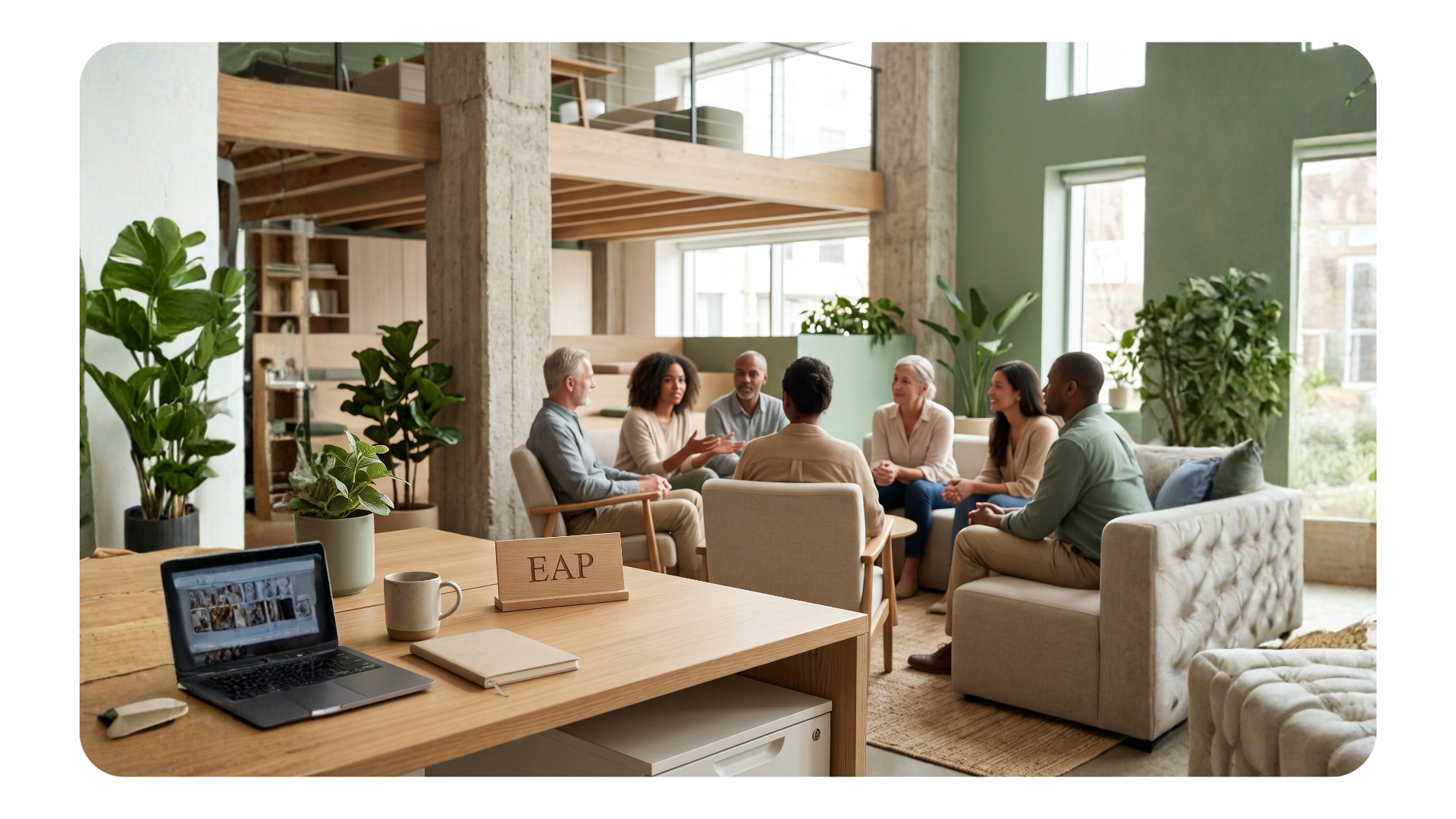
Well-being touches many aspects of life, and no single professional holds every answer. Educational webinars, workshops, and insights from professionals across different wellness disciplines introduce employees to knowledge and perspectives relevant to their circumstances.
2. Proactive wellness education.
A webinar may introduce a new perspective, while a newsletter or educational resource encourages employees to explore it further. When learning continues beyond a single event, employees have more opportunities to reflect, ask meaningful questions, and apply what they’ve learned to everyday decisions.
3. Whole-person wellness.
Physical health, relationships, financial circumstances, emotional balance, and personal development don’t operate independently. A whole-person approach recognizes these connections, encouraging employees to explore how different areas of life influence their overall well-being.
4. Flexibility that reflects real-life responsibilities.
Employees have different schedules, commitments, and preferences for engaging with wellness resources. A combination of live educational experiences and on-demand digital content creates opportunities to participate when and how it’s practical for them.
5. A digital wellness platform.
Through the Amor Wellness Hub, employees can explore the eight wellness pillars, access educational resources, engage in personal check-ins, and follow guided Growth Journeys. Rather than limiting wellness to scheduled events, the platform provides an accessible space for ongoing learning, reflection, and personal development.
The Business Case for Looking Beyond the EAP
Employee well-being isn’t only a benefits conversation. It’s connected to how employees show up, communicate, and engage every day. Rather than framing this solely around productivity or retention metrics, it’s worth encouraging leaders to consider something more fundamental: how employees’ personal circumstances influence their decisions, their communication, their relationships, and their experiences at work.
An employee navigating financial strain approaches a difficult conversation differently than one who feels financially secure. An employee feeling disconnected from their relationships shows up to a team meeting differently than one who feels supported at home. These aren’t abstract HR concerns, they’re the everyday realities shaping how your people engage, collaborate, and make decisions across the organization.
The Next Step Isn’t Starting Over. It’s Seeing the Bigger Picture.
Your organization may already offer valuable resources to support employees. The opportunity isn’t necessarily to replace what’s working, but to consider what else becomes possible when well-being is approached as an interconnected part of everyday life.
The question isn’t whether support is available, but whether it meets the realities of employees’ lives.
Every organization has its own priorities, challenges, and people. That’s why conversations with HR leaders and executives begin with understanding what they’ve already established and where they see opportunities to expand. We’d welcome the opportunity to explore how our approach could complement your existing resources or help shape what’s next, with the understanding that meaningful employee well-being isn’t about replacing what works, but recognizing the many layers of life that deserve attention.
Ready to bring your values and choices back into alignment? Book a strategy call today and let’s build the wellness plan your life is actually asking for.
Amor Wellness Group serves individuals, couples, and organizations nationwide, offering wellness programs, personalized coaching, lifestyle support, and ongoing resources built around the eight dimensions of well-being. Virtual and phone support is available Tuesday through Friday, 9 a.m. to 7 p.m., with additional availability offered on Mondays and Saturdays by request.